What a Revision Keeps
Choose the earlier statement you want to keep
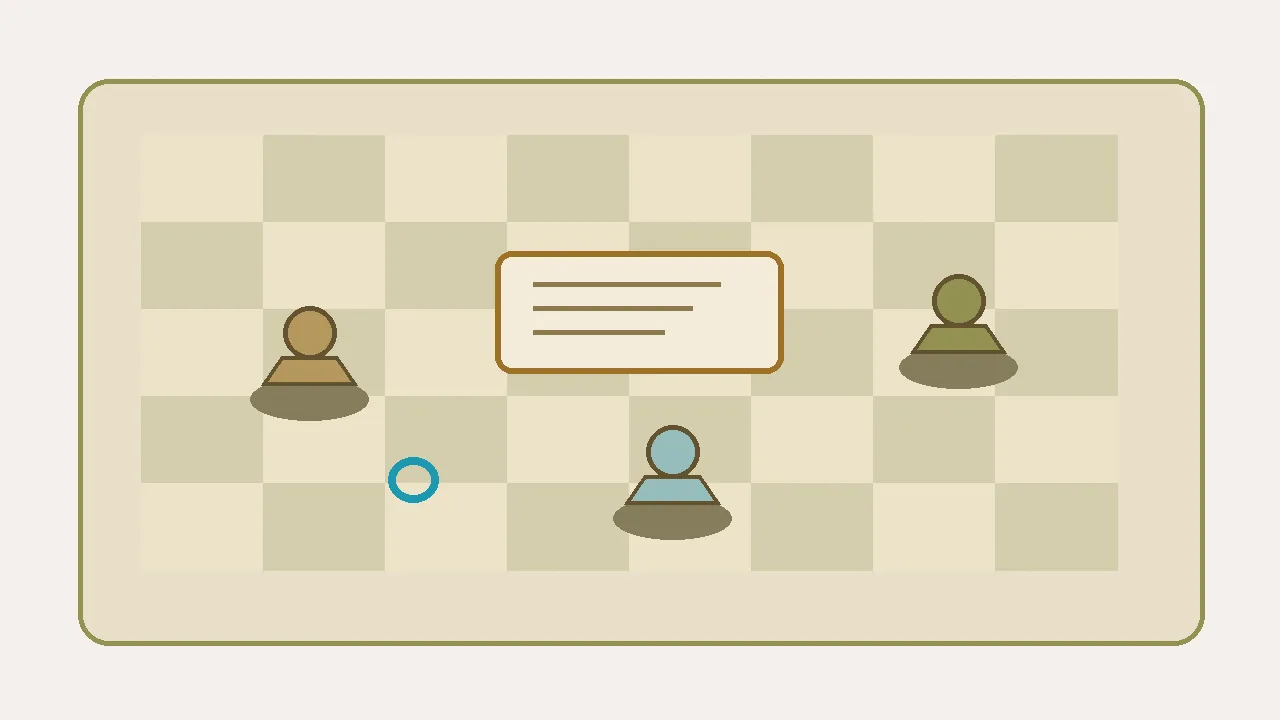
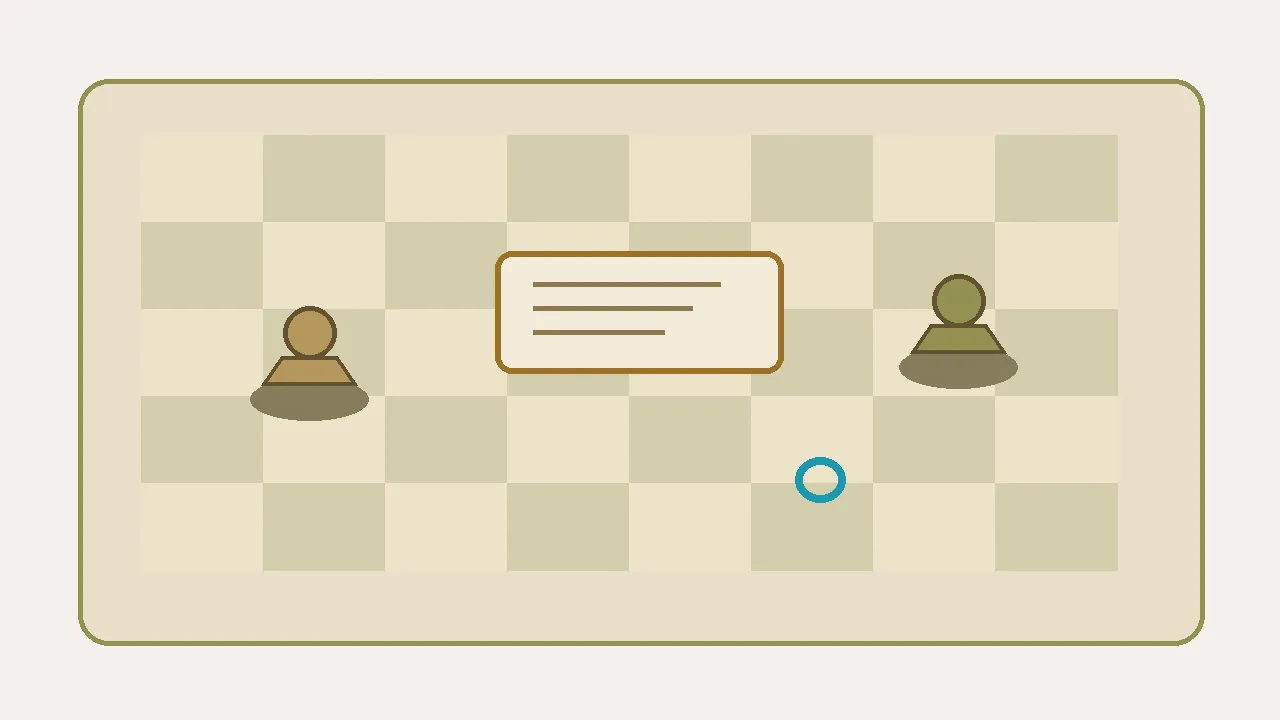
A short reading can revise the latest words and retain the question that brought a character into the room. We gave the earlier question a visible card in the first scene. Later it moved into the notes while the current sentence took its original place. A tester who opened the later note could not say what sentence they were comparing. We kept a small older frame with the question still on the table. That lets a person read the update beside the thing it changed. The current detail should say who gave the new reply and what still remains open. It can be read without knowing every stage of the original exchange.
Keep the original picture useful to a later reader
A note can retain an older scene without reproducing every sentence. Keep the recognizable shape near the spot where the dialogue changed. A short label can say which character already understood a piece of the question. If the revision needs another reference, link to the page where the earlier cast saw it. The headline alone typically cannot describe both histories. We can give the current wording a visible place and keep the older one within reach. This stopped picture helps someone who landed on a dated revision go back to the case and try a later response. The note still makes sense in both directions when the source appears beside the subject it actually describes.
Use a second date to explain what changed
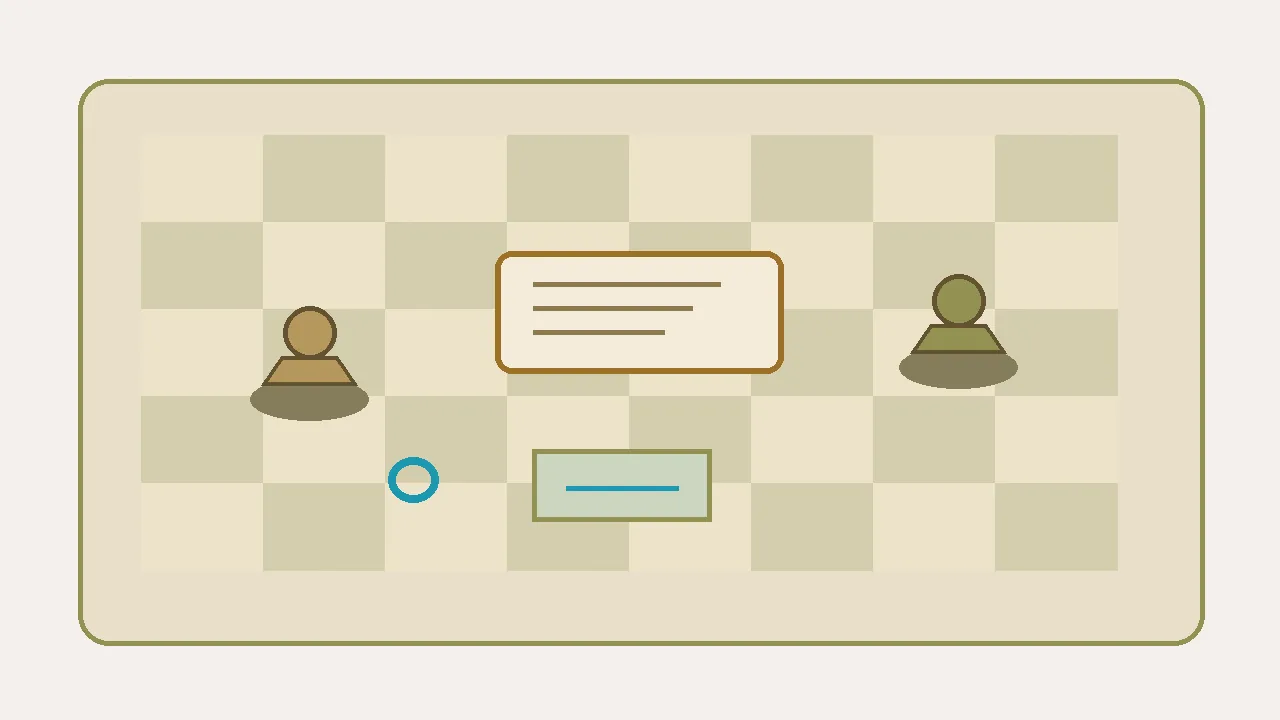
The Revision Strip holds two notes a reader can switch between while keeping their original dates. We want one earlier case and the right question close to each entry. The newer article can state what was edited. The current prototype still gives the older phrase a place anyone can find while thinking about a different reply. We tried making the active date look different by shrinking the older one. On a small screen that made the earlier line hard to find. Use a distinct border on the current date and keep both readable. The selected article can then open within the page without moving the older sources out of the strip.
Give the waiting mark a history too
An earlier pause may have left room for a reply. The next version can open a different room but keep the pause visible while the next question enters. Hold the Board for One Reply describes the drawing that preserves a waiting place. The current model can put one more card on the board and leave the first question in the smaller view. Ask a reader to describe which piece of the original scene still applies after the change. If that picture does not let them point to a specific place, give the old mark a separate label before running the next comparison. There can be a short visible acknowledgment that the earlier version gave them a different way to read it.
Test an update without presenting it as an ending
A current version may give the two characters a word they can discuss and leave other questions open. Present the update and the earlier still. Ask where the first question appeared, then let the reader make another choice from the same opening. The result can describe what the next move preserved. A label about closure can be reserved for a specific object that has stopped changing. It does not need to describe the entire disagreement. Keep the older date and its own link before showing the next case. A useful revision is something a tester can read and compare from both ends, with the original issue still available for the next player’s explanation.